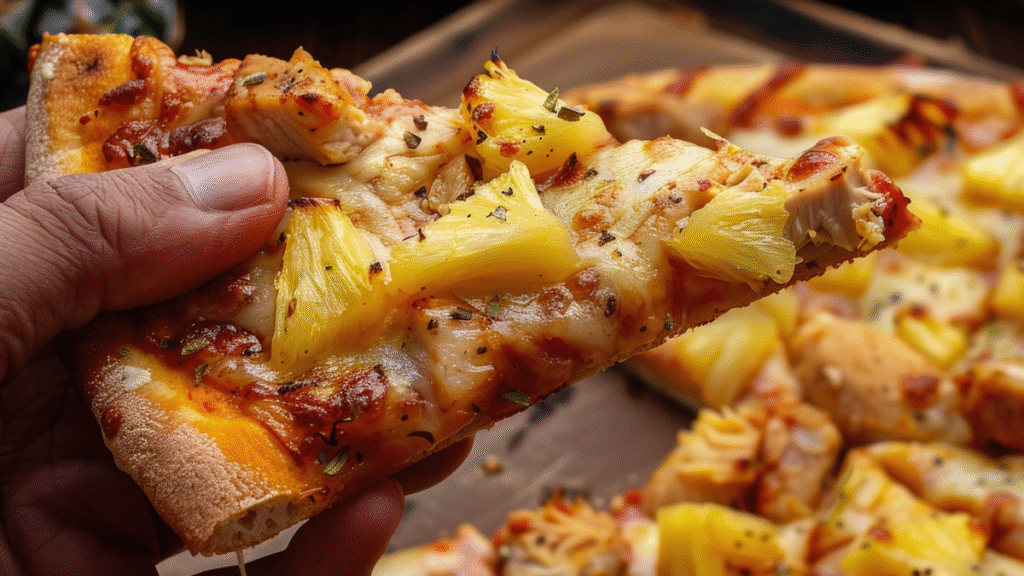
8 Foods That Aren’t Old As You Might Think They Are
It seems like some foods — bananas, Hawaiian pizza, garlic bread — have been around forever. They’re actually quite new.


It seems like some foods — bananas, Hawaiian pizza, garlic bread — have been around forever. They’re actually quite new.
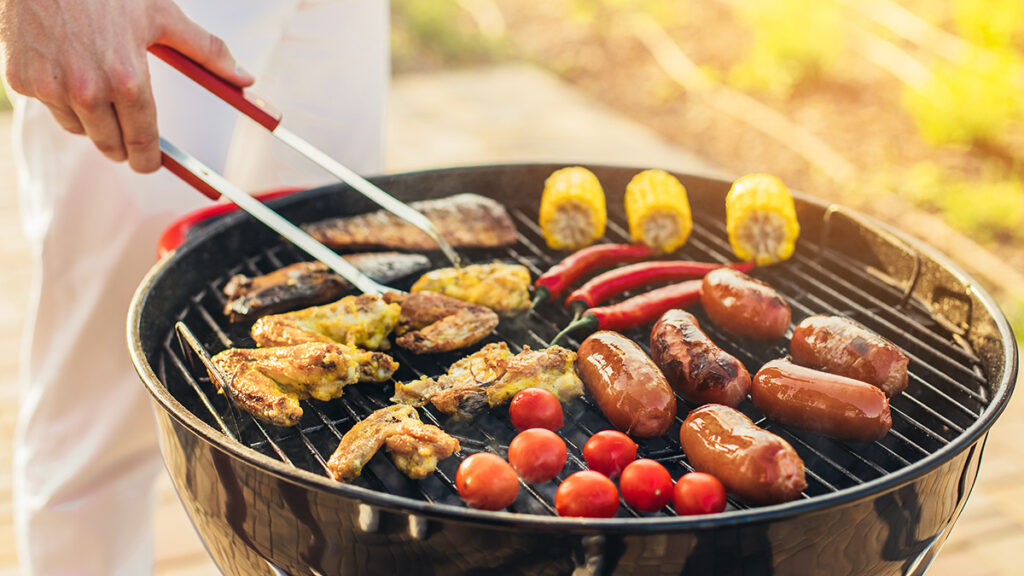
Here’s why your hot dog and Caprese salad consumption goes up so much during the summertime.
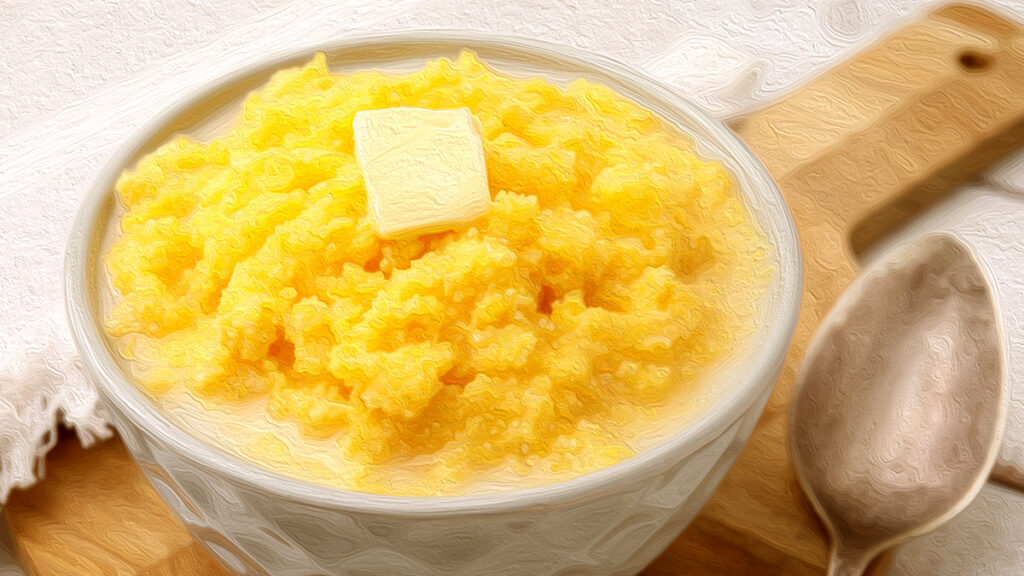
Breakfast is the most important meal of the day, so these origin stories of classic, hot breakfast foods must be pretty important, too.
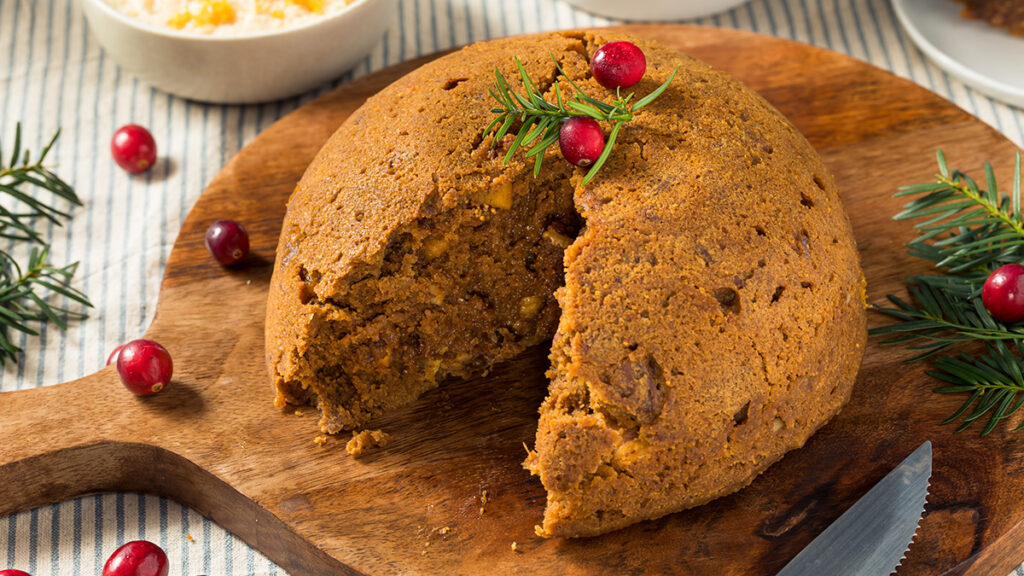
As we gather to celebrate the holidays with particular and important treats, let’s explore the origins of those Christmas, Hanukkah, and Kwanzaa favorites.
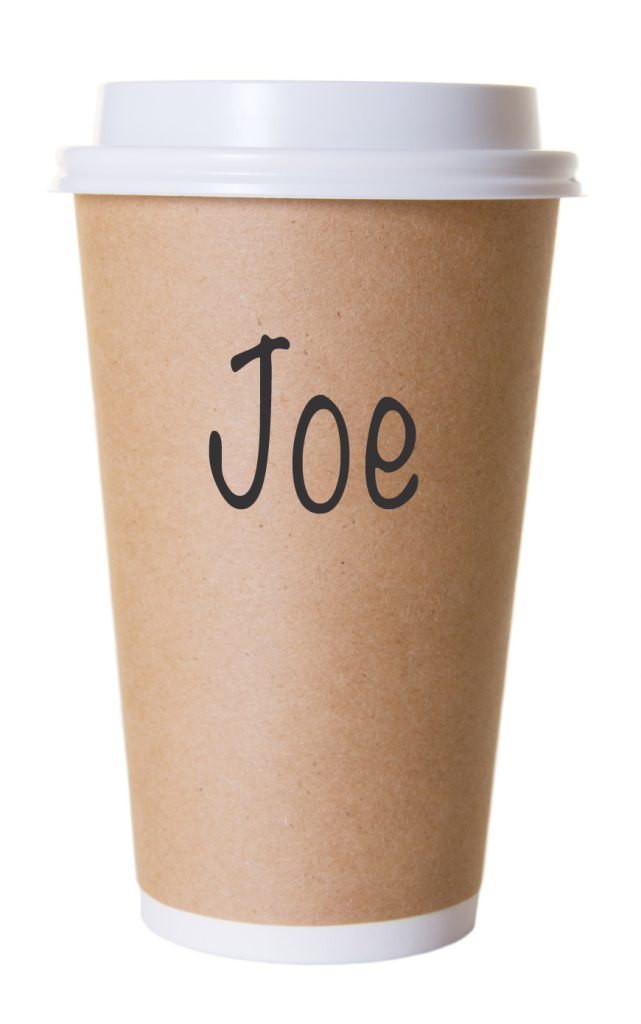
Pour yourself a steaming cup of facts.
The phrase comes from the U.S. Navy in the early 20th century. A well-known origin story traces it to 1913. That year, President Wilson appointed Josephus Daniels to the position of Secretary of the Navy. He immediately made a number of reforms, notably banning alcohol from naval vessels. Sailors now had nothing on board stronger than coffee, which they derisively nicknamed “joe” after Daniels.
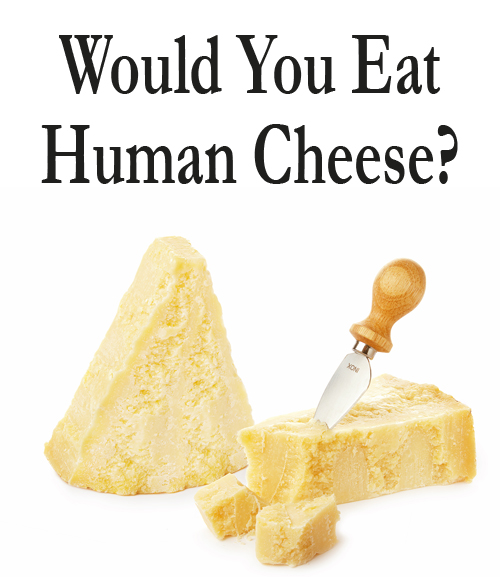
Would you eat cheese made out of bacteria from the human body?
 Scent researcher Christina Agapakis, and Sissel Tolaas, a synthetic biologist, learned that microscopic ecosystems inside the human body are often very similar to the bacteria that makes cheese possible. So, with the cooperation of Stanford University and the University of Edinburgh, they followed this information to its natural conclusion: a product called Selfmade, which is “human cheese.”
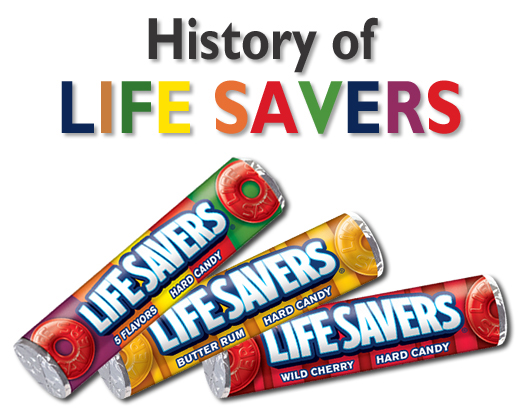
The origin of a favorite stocking stuffer that was mostly accidental.
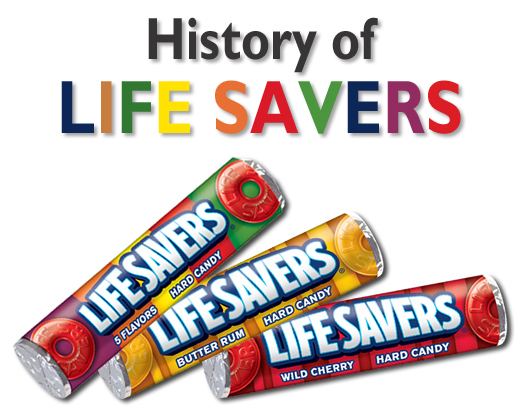 In the early 20th century, Clarence Crane ran a candy company in the Cleveland, Ohio, area. His top sellers were chocolate candies, but sales always plummeted during the summer months. Why? Chocolate melts. And in the 1910s, air conditioned stores were not the norm. Then Crane got an idea. Inspired by the hard mints popular in Europe and just beginning to be imported into the U.S., Crane created his “summer candy”—hard peppermint candies that were round and flat, to differentiate from the spherical European ones.
It’s almost Thanksgiving—have you bought your robot turkey yet?
 • In 2003, wildlife conservation officers in Michigan faced a spate of illegal turkey poachers. They didn’t call the Detroit police, one-time employer of Robocop—they brought in Robo Turkey. Several models of the $1,000 animatronic bird were placed in fields and woodlots around the state’s northern counties to protect wild turkeys. Robo Turkey looks like the real thing…from a distance. Officers can operate the bird via remote control to make him move around and shake his tail feathers, in order to attract illegal hungers. Robo Turkey has caught hundreds of poachers in the past decade.

If there’s one thing everybody can agree on, it’s doughnuts. It seems like every culture on earth has perfected some kind of sweetened and fried dough. Here are just a few doughnuts from around the world.
 Pastry: Beignet
Country: France
Details: French cooks can make even a doughnut—simple dough, cooked in oil—seem fancy. “Beignet” is a deep-fried pastry made out of a versatile dough base called choux. Consisting of little more than butter, flour, eggs, and water, the same dough is used to make other French desserts, including éclairs and profiteroles. A beignet is usually rectangular, served hot, and topped with a mound of powdered sugar.

Halloween is Uncle John’s favorite holiday. Why? It’s the one day of the year he looks “normal!” Here’s a quick history of Halloween.

ANCIENT ORIGIN
The ancient Celts in the British Isles celebrated their new year on November 1. Their New Year’s festival was called Samhain (pronounced sow-wen), which means “summer’s end.” Early Christians adopted the festival in the seventh century A.D., making November 1 a celebration of saints and martyrs—hence the name All Saints’ Day or All Hallows’ Day. (Hallow comes from an Old English word meaning “holy.”) The night before All Saints’ Day was known as All Hallows’ Even (evening)— which was shortened to “Hallowe’en.”
ANCIENT MYSTERY
What’s Halloween’s connection to ghosts and costumes? No one’s sure, but historians offer these three possibilites.
Theory #1: The Ghosts Are Hungry!
On All Hallows’ Eve, evil spirits roamed the Earth in wild celebration, ready to greet the arrival of “their season”— the cold dark winter. And just for fun, they liked to frighten mortals. One way for scared humans to escape the demons was to offer them food and sweets. Another way was to dress up like spirits and roam around with them…hopefully going unnoticed. “That is what the ancient Celts did,” explains Francis X. Weiser in The Handbook of Christian Feasts and Customs, “and it is in this very form that the custom has come to us.”
The leaves are changing color, the air is getting crisp, and everything at the grocery store suddenly has pumpkin in it, whether it works or not. It must be fall!
 If you’ve been inside a grocery store or restaurant in the last couple of weeks, you’ve probably noticed the proliferation of pumpkin-flavored items. It’s been slowly building to cultural phenomenon levels since 2003. That’s when Starbucks introduced the Pumpkin Spice Latte—coffee, milk, and a syrup flavored with pumpkin, cinnamon, nutmeg, and sugar. More than 200 million of the drinks have sold in the past 10 years, prompting other food manufacturers and sellers to unveil their own pumpkin-flavored concoctions. And it’s working: pumpkin products rake in more than $290 million every autumn.
Stuff you didn’t think needed to be improved…just got a little bit better.
A better iPod
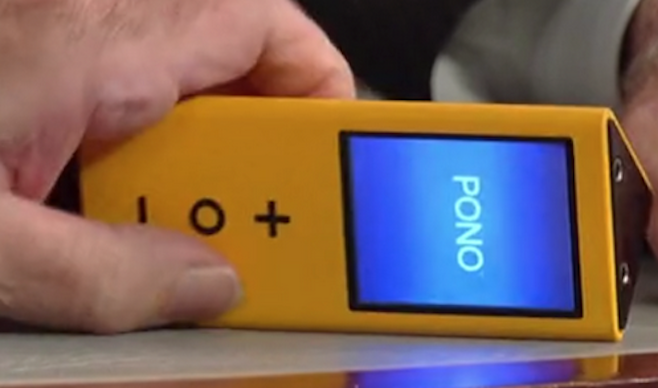
 Introduced in 2001, Apple’s iPod revolutionized the way people listen to music—thanks to this and other digital music players, thousands of songs are stored as computer files on a pocket-sized device. But there’s one group who doesn’t like the easy access to music offered by the iPod: audiophiles. In order to get that much music on an iPod, the files are compressed, leading to some loss of layers and nuances in recordings. But a new high-definition, high-sound-quality music player called Pono is on the way—and it was invented by legendary rock star Neil Young. “We’ve liberated the music of the artist from the digital file and restored it to is original artistic quality, as it was in the studio,” Young wrote on Pono’s facebook page. Young announced the Pono player on The Late Show With David Letterman in 2012, and recently said that the player will be for sale in early 2014.
More convenient soup
 One of the most popular new kitchen appliances in the past new years is the single-cup coffeemaker—17 million American homes and offices now have them. Keurig is the industry leader in these devices, which brew one cup of coffee—or tea, or hot chocolate—at a time. Consumers buy packages of individual “K-cups” full of ground coffee, which is placed in a chamber in the machine, where it’s then steeped in hot water, producing a hot beverage in about a minute. In September 2013, Keurig owner Green Mountain Coffee Roasters announced that it had made a deal with Campbell’s to produce K-cups…of soup. In 2014, consumers will be able to buy the two-step soup kits: a K-cup full of dried broth is placed in the machine. Hot water turns the dried broth into liquid broth, which is then poured over an included pack of noodles.

You asked for another round of weird beers, so we’ll keep ‘em coming.
Algae beer
Ever had green beer at St. Patrick’s Day? That’s just everyday beer with green food coloring added to it. But this green beer is green because it’s made with spirulina—a living organism that’s found in blue-green algae. Freetail Brewing in San Antonio says the algae infuses the beer with not only color, but vitamins and a “tropical fruit” taste.
 Pizza beer
Mamma Mia! Pizza Beer is brewed with basil, oregano—the same spices found in or on a pizza, along with garlic and the same kind of wheat commonly used to make pizza crust, and tomatoes. The result is a meal in a glass…sort of.
Peanut butter and chocolate beer
There are lots of nutty beers out there, with hazelnuts, chestnuts, and pecans adding flavor to everything from light ales to thick stouts. Porter is a kind of beer characterized with notes of chocolate and coffee. Willoughby Brewing adds peanuts to the brewing process, which results in a beer that tastes like coffee, chocolate, and peanut butter.

If you think these coffees taste crappy, you wouldn’t be wrong. They literally came from poop. They are coffee from feces.
 In one of the most inexplicable, perplexing, and kind of gross fads of all time, the hottest thing going in the world of coffee are beans that have passed through the digestive tracts of exotic animals. Adherents claim that the premium coffee that results is better than regular coffee. Why? The animals eat only the tastiest, ripest berries from coffee plants, then digest the outer berries, allowing the beans inside pass through their stomachs unharmed, but left coated with amino acids and enzymes. The animals’ feces is collected, with the beans removed, cleaned, and roasted, then ground into a beverage that fans claim is smoother and less bitter than other coffees because of those amino acids and enzymes from an animal’s digestive tract.
The most popular berries-to-butts-to-baristas blend is kopi luwak coffee, made from beans that have passed through the digestive system of the civet, an exotic mammal native to Asia and Africa, also known as a luwak or toddy cat. In 1991 British coffee importer Tony Wild became the first European to offer coffee made from pre-digested beans. The kopi luwak became so popular in Europe that its production is being industrialized, leading to widespread mistreatment of civets. Recently, Wild launched a campaign to end the production and consumption of the special coffee.
It’s more than just the basis of a great martini! Vodka doesn’t have a lot more to it than grain alcohol (or potato alcohol). That makes it a great, cheap household cleaner,
germ killer, wound healer…(NOTE: try these at your own risk.)
 • For your hair. Add an ounce or two to a mostly-full bottle of shampoo, and shake it to mix in. The vodka is effective at preventing oily buildup on the hair and scalp.
• For removing goo. Have any hard surfaces where the price-tag or other sticker glue just will not go away no matter how much you scrape and peel? Saturate the price-tag residue with vodka. The alcohol will dissolve the adhesive.
• For bandages. Vodka can also dissolve the extremely sticky adhesive on bandages. Simply soak a cotton ball in the spirit and apply liberally to the bandage, which will fall off and save you the agony of ripping it off. NOTE: Only do this if you’re sure the wound beneath is healed—the alcohol can kill all living cells in a wound, the germs and the germ-fighters.
• For a better pie. Substitute a third of the water in pie crust recipes with vodka for a flakier result. This prevents the gluten, a protein found in flour, from making the crust rubbery and dry.
• For weeds. Many gardeners use vodka as the basis of a chemical-free, environmentally-safe herbicide. Mix an ounce of vodka with two cups of water and a few drops of liquid dish detergent in a spray bottle, and spray.
We’re becoming more and more of a restaurant culture.
 First restaurant to note GMOs: In 2013, the Mexican fast-food chain Chipotle became the first chain to adopt a policy to note on its menu what of its ingredients were of “genetically modified origin.” The only ingredient, so far: soybean oil, used to cook meat.
First green salad: The prime rib restaurant Lawry’s opened in Beverly Hills in 1938. One of the their hallmarks was, and still is, tableside service—an employee wheels a cart to your table and carves off a slab of prime rib (as that was once the only entrée offered). But before the meal, another employee wheels another cart around, table to table, and tosses fresh green salads for guests. Included in the price of the meal, this was the first time an American restaurant offered a salad course.
First restaurant to accept bitcoin: “Bitcoin” is an electronic currency, invented in 2010 by Satoshi Nakamoto, used exclusively over the Internet. And now, at least one place in the “real world.” In 2013, Bubba’s Firehouse Barbecue in Salt Lake City, Utah, started accepting bitcoin as a form of payment. (The owner is a big fan and online user of bitcoin.)

With thousands of microbreweries around the world taking beer to strange new heights and creating weird beer flavors – “Pumpkin Pie”-flavored beer in particular being ubiquitous at the moment – there’s hardly such thing as “beer”-flavored beer anymore.
 • Crème Brulee. There are dessert wines, and how there’s a dessert beer. Southern Tier Brewing in New York makes their stout with lots of vanilla, so much that they think it tastes like the classic dessert, crème brulee. The brewery suggests serving it with another classic dessert, Bananas Foster, or pouring it directly on top of ice cream.
• Oysters. “Hog Island Sweetwater” are a particularly tasty type of oyster caught in the waters around San Francisco. Local beermaker 21st Amendement Brewery (named for the piece of legislation that repealed Prohibition) makes a stout with water that’s been used to soak the shells from those Hog Island Sweetwaters.
• Rocky Mountain Oysters. Another oyster stout? Not exactly. Wynkoop Brewing in Denver makes this one-of-a-kind beer with “Rocky Mountain oysters,” otherwise known as bull testicles.
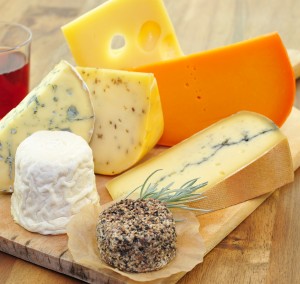
Raise your hand if you like cheese! Wow…if we are counting correctly, that’s millions and millions of people. Poet James McIntyre loved cheese. Here is his story, as published in Uncle John’s Funniest Ever Bathroom Reader.
Have you heard of one James McIntyre?
His unusual verses set the world afire.
Think of this while eating your Cheerios:
In the 1800s, he was the bard of southwestern Ontario. His work is published this day still,
If you read his poems, they’ll make you ill.
 ABARD IS BORN
James McIntyre (1827–1906), known to his admirers as the “Chaucer of Cheese,” was born in the Scottish village of Forres. He moved to Canada when he was 14 and lived most of his life in Ingersoll, a small town in Ontario, where he worked as a furniture and coffin maker. But what earned him his reputation was his hobby—writing poetry. McIntyre wrote poems on a variety of topics: He described Ontario towns, saluted his favorite authors, and sang the praises of farming and country life. He even composed tributes to his furniture.