When you place a disc into the Netflix-provided return envelope, it’s addressed to a simple post office box number. So does Netflix have a gigantic P.O. box at every post office in North America? Nope—that box number written on the envelope doesn’t really exist.
It’s Friday, so that means it’s time for your weekly fake-out. Here’s how it works: Two of the three following stories are true. And one of them we made up. Can you guess which one is the fake? Pick your answer at the end of the article and see if you’re right.
“Good night, and good luck.” Possibly the most famous sign-off in TV history, this phrase was coined by 1950s CBS News personality Edward R. Murrow (Person to Person, See It Now). He had gotten his start on CBS Radio during World War II, broadcasting from the rooftops of London buildings during the German blitz. With the line, Murrow was earnestly reaching out to the audience in an attempt to provide comfort. He kept the line after the war.
Kermit, Miss Piggy, and all the other Muppets have been featured in a lot of Christmas-themed movies and TV specials over the years, notably the 1992 big-screen The Muppet Christmas Carol, and a 1979 special co-hosted by John Denver (which spawned their hit rendition of “The 12 Days of Christmas.” This TV special doesn’t get much airplay anymore. The plot: Fozzie Bear surprises his mother by staying at her country home over the holidays, along with most of the other Muppets, and many of monsters and critters from Sesame Street. Over the course of Christmas Eve, the Swedish Chef tries to cook Big Bird, Miss Piggy gets stuck in a blizzard ,and Kermit discovers an underground cavern that leads him to the magical creatures from Fraggle Rock. Watch for the cameo from Muppets/Sesame Street/Fraggle Rock creator Jim Henson, who shows up at the end to wash all of his creations’ dirty dishes.
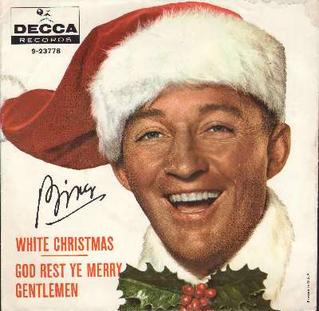
• Legendary songwriter Irving Berlin wrote the song from the point of view of a New Yorker (like himself) stuck in warm California for Christmas (as he had been). That sentiment was made explicitly clear by the song’s original first verse, which mentions “the sun is shining,” “the grass is green,” and things like palm trees and Beverly Hills.
• “White Christmas” was picked to be included in the 1942 Bing Crosby movie Holiday Inn—both Crosby and his producer thought that the song wouldn’t have much worth outside of the movie with that verse. So it was dropped.
You’ll Never Guess the Answers To These Impossible Questions About Music!
Think you know everything there is to know? See if you can answer these brain-benders…and come back tomorrow to see if you’re right.
1. What do these hit albums have in common: Boston’s Don’t Look Back, Frank Sinatra’s Strangers in the Night, the Beatles’ Help!, Nat “King” Cole’s Unforgettable…and the Baha Men’s Who Let the Dogs Out?
2. What do these albums have in common: With the Beatles (The Beatles), Silver Side Up (Nickelback), and Seventh Star (Black Sabbath)
3. What do Warren Zevon, Roxy Music, Willie Nelson, the Moody Blues, Joe Cocker, and the Cars have in common?
In the 2003 Christmas-set romantic comedy Love, Actually, aging pop star Billy Mack (Bill Nighy) tries to revive his career by trying to get a Christmas #1 with a song called “Christmas is All Around,” a holiday-themed remake of the Troggs’ hit “Love is All Around.” Mack calls it a “festering turd of a record.” It’s a satirical look at the English pop cultural phenomenon of the music industry – and music buyers – guessing what song will be #1 on Christmas Day.
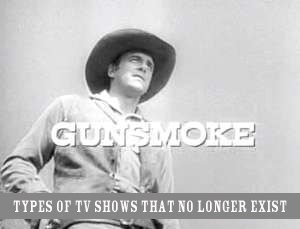
Westerns. Westerns were popular on radio, and when TV took hold in the 1950s, westerns hitched a ride. By 1959, 26 westerns were airing on the three TV networks. All those shows (such as Gunsmoke, Bonanza, Rawhide, and Wagon Train) were among the first times TV productions ventured out of small studios to shoot on location to create more cinematic programming. And with all of the undeveloped Old West-like expanses just outside of Hollywood at the time, it was a relatively cheap undertaking. By the late ’60s, too many westerns cannibalized demand, and their popularity led to higher production costs. Then in the early ’70s, CBS undertook a “rural purge,” clearing its schedule of anything rural themed, such as The Beverly Hillbillies, Hee Haw, and all of its westerns, including 20-season veteran Gunsmoke. A few attempts have been made to revive the western, (Dr. Quinn: Medicine Woman, Hell on Wheels, Deadwood) but its never mosied on back to its former heights.
The ‘80s rock band Loverboy were one of the first big stars of the MTV era. In 1983, they joined up with the video channel for a contest that would allow the winner to be the video for their single “Queen of the Broken Hearts.” A viewer named Bridget Magnesi won the prize. She didn’t exactly get to star in the video—catch a glimpse of Magnesi at the 0:18 and 0:23 marks in the video. She’s the woman sitting behind the control panel.
It’s Friday, and that means it’s time for your weekly fake-out. Here’s how it works: Two of the three following stories are true. One of them we made up. Can you guess which one is the fake? Pick your answer at the end of the article and see if you’re right.
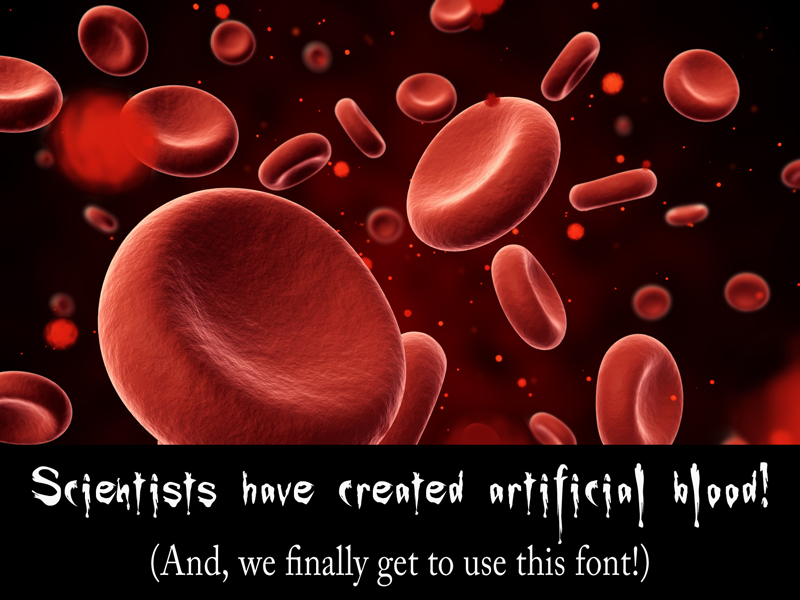
Researchers at Babes-Bolyai University in Cluj, Romania, spent months trying to develop an artificial human blood substitute. While this could be considered a medical miracle and a marvel of modern science, the best part about this is that Cluj is located in the Romanian region of…Transylvania.
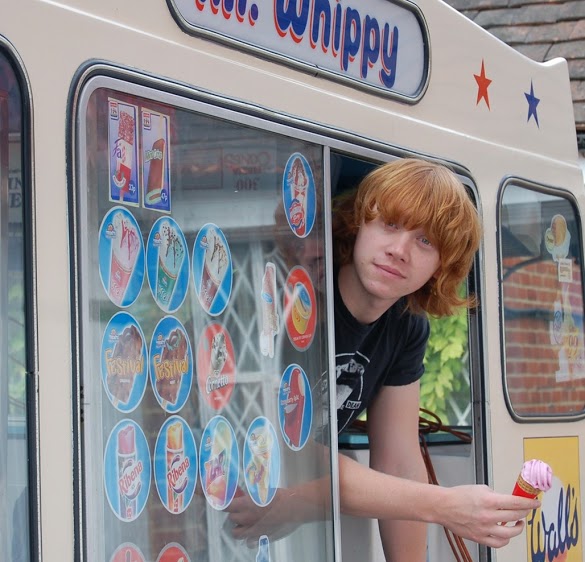
Rupert Grint. Grint played Ron Weasley, Harry Potter’s best friend, in eight Harry Potter movies. One of the first things he bought when he started earning movie-star money: a 1974 Mr. Whippy van—an ice cream truck. He’d wanted to be an ice cream man, before he discovered acting. “I keep my van well stocked. It’s got a proper machine that dispenses Mr. Whippy ice cream,” he told The Daily Mail. He’d have to have a license to sell ice cream, so instead, he drives around England and hands out free ice cream bars to kids.
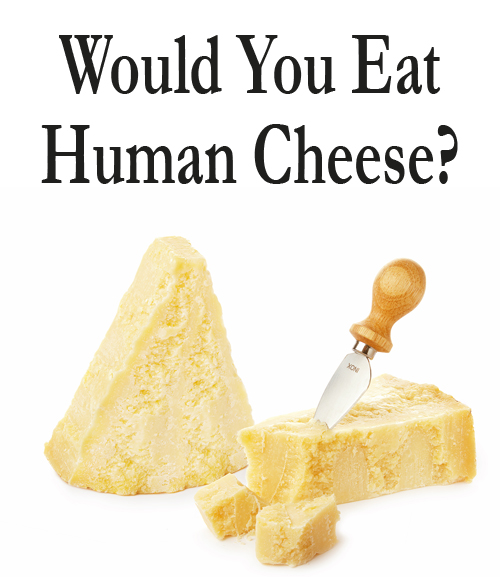
Scent researcher Christina Agapakis, and Sissel Tolaas, a synthetic biologist, learned that microscopic ecosystems inside the human body are often very similar to the bacteria that makes cheese possible. So, with the cooperation of Stanford University and the University of Edinburgh, they followed this information to its natural conclusion: a product called Selfmade, which is “human cheese.”