He-Man and the Masters of the Universe was the bestselling “action figure” line of the 1980s. From 1982 to 1988, when the toys were produced in conjunction with the Masters of the Universe cartoon series, Mattel sold $1.2 billion worth of “He-Man,” “Skeletor” and dozens of other MOTU action figures. But apparently there was room for more. In 1986, the Masters of the Universe Magazine held a “Create-a-Character” contest. The magazine’s editors would chose five semi-finalists and readers would vote on the winner. The grand prize: a $100,000 scholarship, a trip to Disneyland, and, perhaps best of all, Mattel would make the winning character into an action figure.
The contest winner was 12-year-old Nathan Bitner for his character, “Fearless Photog.” Photog had a camera for a head and used his camera-head to take “photos” of his enemies, which would drain their strength and transfer their image to his chest plate. Bitner got his scholarship and his Disney vacation, but unfortunately, Mattel never followed through with the rest of the bargain. Fearless Photog was never manufactured. (Interestingly, Bitner went on to design other sci-fi characters—in the 1990s, he worked at Bungie, the video game company that developed the five-million-selling Halo.)
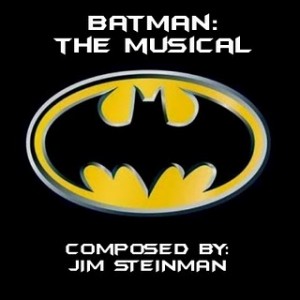
In 2011, the musical Spider-Man: Turn Off the Dark debuted on Broadway and made headlines. Not because it was really good, but because it was an absolute disaster. Actors in the stunt-heavy show routinely suffered injuries, critics savaged it, audience members asked for their money back, and the producers and creators sued each other. Eventually, the lawsuits were settled, safety measures were introduced, the script was rewritten mid-production, and two years later, the show is still running (to packed houses). But it’s amazing that it ever even made it to Broadway, after the failure of a proposed Batman musical.
Bouncy houses or bouncy castles are those big, brightly colored, enclosed trampolines that kids love to jump on at birthday parties, recreation centers, and Chuck E. Cheese. They’re a lot older than you think. American engineer John Scurlock got the idea in 1959. While trying to design a plastic rain cover for tennis courts, he noticed a few of his employees jumping around on one of his prototypes. That goofing off inspired him to create an inflatable floor, purely for recreational purposes. In the ‘60s, with NASA heading for the moon and space-mania at a fever pitch, Scurlock and his wife started a company called Space Walks, rented out the floors as a way to mimic walking on the moon.
Scurlock’s son Frank logically took the idea from floor to fully enclosed structure. In 1974, he joined the family business and created the Jupiter Jump. It consisted of an inflatable floor and columns that supported net walls allowing air to pass through—and the bouncers inside from falling out. Children’s birthday parties were never the same.
Flop #1. After founder Harlan Sanders sold Kentucky Fried Chicken and allowed it to be aggressively franchised in the early 1960s, the chain’s popularity grew just as fast. By 1968 it was the sixth-largest restaurant chain in America and worth hundreds of millions of dollars. Rather than saturate the market with even more KFC locations, the company opted to start a second restaurant chain: Kentucky Roast Beef & Ham. The new chain sold all the standard KFC side dishes. But instead of chicken, they served roast beef and ham. Launched in 1968, all the roast beef and ham restaurants were converted into chicken joints by 1973.
Not only is the better-than-Flubber substance flexible and transparent, it can conduct electricity. And a sheet of graphene is only one atom thick—which means it’s actually hard to detect with the human eye. When stretched out, the material is tougher than steel and harder than a diamond. Along with featherweight phones and computers, it may one day be used to create interactive newspapers, much like the ones seen in sci-fi movies, such as Minority Report.
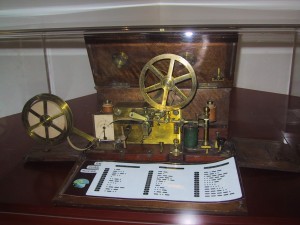
In less than a week, the last telegram will be sent. The telegraph was the world’s first mass communication tool. First developed in the 1840s, sending series of electric pulses in Morse code (different combinations of pulses that corresponded to letters of the alphabet) along long stretches of electrical wire made instant communication a reality. The first telegram, sent on May 24, 1844, read, “WHAT HATH GOD WROUGHT?”
While the ale that was enjoyed centuries before the birth of Julius Caesar may have been tastier than other beverage choices of the day, it was still incredibly sour, with a flavor closer to vinegar than Hefeweizen. That’s according to a team of University of Chicago archaeologists and brewers from the Great Lakes Brewing Company. Using a 5,000-year-old beer recipe outlined in “Hymn to Ninkasi,” an ode to the Sumerian goddess of beer, they brewed up a batch of era-appropriate beer. To help ensure authenticity, they even used recreations of ancient wooden tools and ceramic fermentation pots based on artifacts found in Iraq in the 1930s, malted the barley on a roof, and hired a baker in Cleveland to prepare the bappir (“beer bread”) they used as the source of their yeast. And they heated the beer during the brewing process the old fashioned way: over a manure-fueled fire.
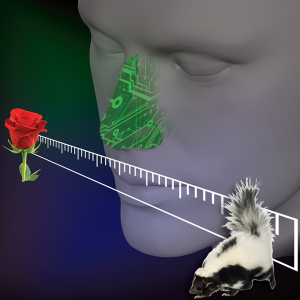
One of the most talked about public pranks last April Fools Day was Google’s announcement of a new service called Google Nose, a tool that would let users search the Internet for smells. It was a joke, of course. But while online smell searching isn’t real, artificial noses are quite real. A California company called Cyrano Sciences is working on a prototype electronic nose that will recognize a preprogrammed array of scents. The company claims their “nose” could help supplement the limited capacity of the human nose. Dangerous, undetectable gas leaks could be picked up by an artificial nose, for example. It could even help doctors diagnose pneumonia and other maladies with distinctive smells. An earlier model, the Cyrano 320, a “portable electronic odor detector” has been used in the food and chemical industries since 2000. NASA also uses a similar device to track down problems on the International Space Station.
Here is a special nod to our friends north of the border. May you have a fantastic Canada Day. There is no better way to celebrate than to learn more about Canada. Here is a story from Uncle John’s Fast-Acting, Long-Lasting Bathroom Reader.
Congrats to Perry P. for winning our fourth and final weekly giveawayof the month of June. The response was very diverse to our question this week: “If you were to write a book about a subject, what would you write about and why?” Here are the highlights:
• Non-military history of the renaissance
• Firsthand experiences of living through Hurricane Katrina
• Strange medical conditions as well as emergency room patients with wierd things wrong
• Is the moon landing really a hoax?
• The modern-day Seabees (Navy Construction Battalions) and their place in the wars in Iraq and Afghanistan.
And a couple of personal stories we want to highlight:
“I am a triple amputee. 14 years ago I hit a moving train while riding my motorcycle. So I would travel and get other stories of those in America who have amputations, and the things they do to accommodate in a two handed world.”
“I would write a book about a fictional character who has Developmental Coordination Disorder which is the same disability that I have. I would write about the character’s struggles in areas such as writing neatly and in gym class with basic skills such as catching a ball or trying to hit a badminton birdie. I would also write about the character’s successes such as finally mastering shoe tying or learning to skate.”
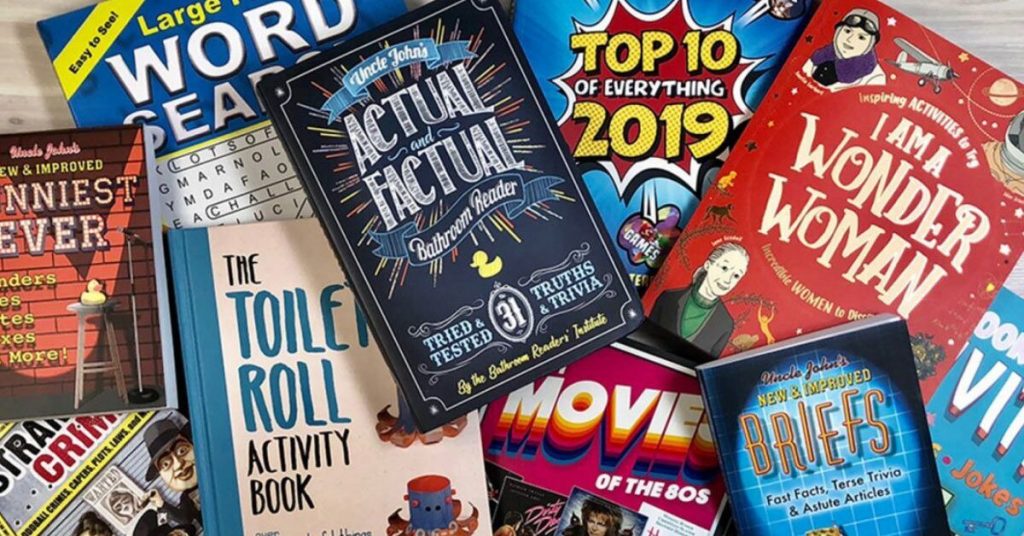
Thank you everyone for entering our weekly giveaways and helping us celebrate June as Bathroom Reading Month. Have a great weekend and don’t forget to enter our awesome June is Bathroom Reading Month Giveaway. You could win the ENTIRE in-print library of our books. Deadline is June 30!
The Oxford English Dictionary is the de facto official record of the English language. Like every living language, English is constantly evolving, with new words seemingly entering the vernacular everyday—most of them slang phrases, computer and Internet terms, or portmanteaus, which are new words combined out two or more existing words.
Whenever the OED is updated, usually each June, editors announce the newest words added to the 800,000 word-plus dictionary. They’re not super-new—they’re generally words that have been around for about 10 years and are still common. This year, OED editors added more than 1,200 new words to the dictionary, and, by extension, officially to English. Here are some notable additions.
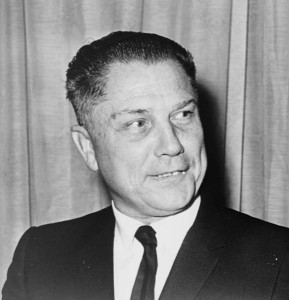
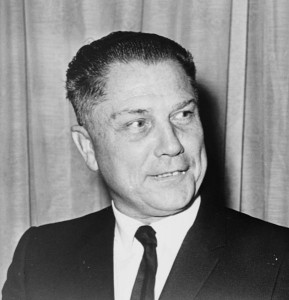
Jimmy Hoffa was a well-known union leader in the 1960s and ’70s, but he’s far more famous for being a missing person (and maybe for his ties to organized crime). On July 30, 1975, Hoffa had dinner at the Raleigh House Restaurant in suburban Detroit. Then he completely disappeared. After no trace of him showed up for seven years, he was declared legally dead in 1982. But nearly 40 years later, federal agents—and conspiracy theories—are still looking for him. Here’s a brief timeline of the very long search.
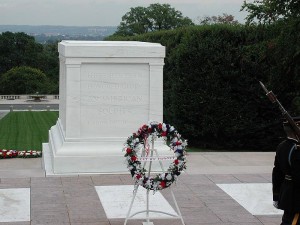
The Tomb of the Unknown Soldier is both a moving tribute to those who have died in American wars and a reminder of how war steals human dignity. An unidentified soldier from each of the major American conflicts of the 20th century have been laid to rest in the monument at Arlington National Cemetery in Virginia. Represented are World War I, World War II, the Korean War, and the Vietnam War.
The remains of the Vietnam War veteran were placed in the Tomb on Memorial Day 1984 in a ceremony attended by President Reagan, who awarded the unidentified soldier a posthumous Medal of Honor. But CBS News reporter Vince Gonzalez thought it would be more honorable to find out the unknown soldier’s identity of the latest unknown.
Every week during Bathroom Reading Month, we will host a giveaway for a book of your choice from the Uncle John’s Bathroom Reader collection. Just to spice it up, we will ask you to answer a question on the blog. At the end of the week, we will pick a random winner from the answers and post it on the blog along with our favorite answers. Remember that this is in addition to our “mother-of-all” contest: enter to win the entire in-print library of Uncle John’s Bathroom Readers.
Week #4: Writer for a Day
QUESTION: If you were to write a book about a subject,
what would you write about and why?
Answer the question in the comments section of this post to be entered to win a book of your choice from the Uncle John’s Bathroom Reader library. Answers must be posted by June 26, 2013, midnight PST to be eligible to win. A winner will be announced on Friday, June 28, 2013. Open to US residents, 18 year + only.
















 The Tomb of the Unknown Soldier