
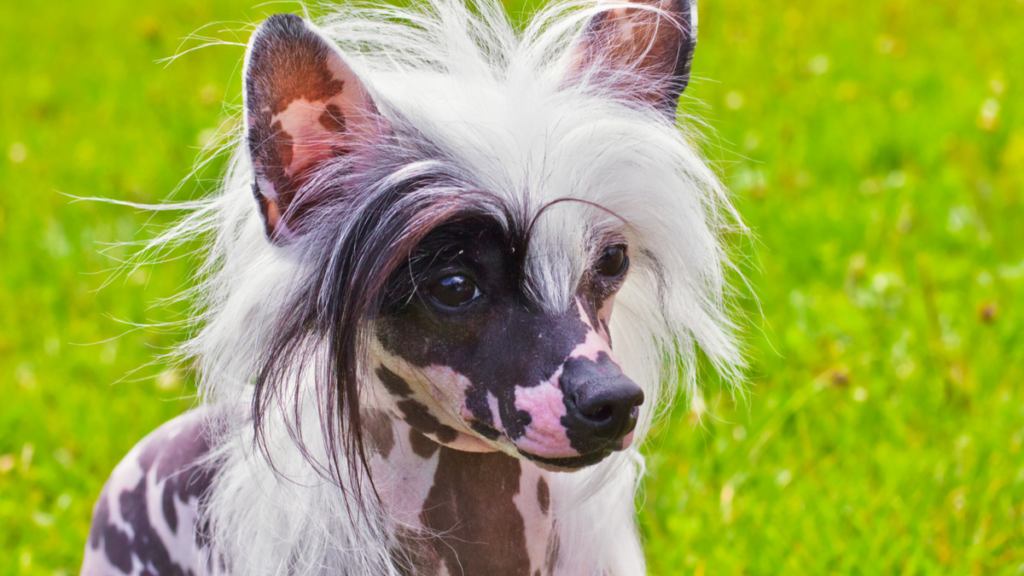
It’s “the dog days of summer,” so we fetched these fun facts about dogs rare, well-bred, and special.
Alaskan Malamute: George Lucas had a malamute, a traditional Alaskan sled dog, who inspired him to create the Star Wars character Chewbacca.
Bernese Mountain Dog: Hundreds of years ago, these winter-resistant dogs worked farms in and around Bern, Switzerland. They can pull as much as 1,000 pounds, or 10 times their weight, so they were utilized as cart-pullers.
Boston Terrier: Their tuxedo-like black and white coats initially led to a different name for these bulldog-terrier mixes in the 19th century: the American Gentleman.
Boxer: The dog with the longest tongue — it’s as long as six inches.
Boykin Spaniel: Dating only to 1905, it’s one of the newest major dog breeds in the world. Two stray dogs named Singo and Dumpy produced water-loving puppies in South Carolina, where it’s the official state dog.
Dalmatian: In 19th century England, these easy to spot spotted dogs ran alongside firefighters’ horse-drawn water wagons to clear away crowds and make a path. That’s how they became the traditional and historical dog of firefighters.
Flat-Coated Retriever: According to science, these are the world’s happiest dogs. That’s attributed to their playful, puppy-like disposition maintained across their long lives.
Golden Retriever: Dog breath? Not so for the Golden Retriever. They’re incapable of having stinky mouths and they also have jaws so soft and gentle they can carry eggs in there without busting them.
Great Dane: It’s unclear why this dog from Germany has a Danish name, but we do know that they were bred to be tall and strong so that they could supposedly scare off evil spirits.
Lhasa apso: Unheard of for centuries outside of their origin point in the remote mountains of Tibet, Buddhist monks used them to guard their monasteries. According to local lore, Tibet is protected by a mythical Snow Lion creature, which in turn gifted the people the Lhasa apso.
Mastiff: On average, they’re history’s largest dog, weighing well over 200 pounds from thick bones and big muscles. They were used to repel Roman invaders from Britain in 55 B.C., and part of the British army in the 15th century Battle of Agincourt against France.
Pug: Originating in ancient China, pugs are known for a bunch of extra skin on their faces. That was bred into them, with the hope that the wrinkles would form the Chinese characters that mean “prince,” because these dogs were meant for royals only.
Saint Bernard: In the 11th century, the monk later known as St. Bernard founded a hospice in the Swiss Alps to care for travelers. In the 17th century, those facilities put the large, digging dogs developed in that region to work on search and rescue missions, as they’re able to find people buried under snow as much as 20 feet deep.
Samoyed: These big, white fur-covered dogs from bitterly cold Siberia only look like they’re smiling. Their mouths were bred to be upturned, so that when they drooled, icicles didn’t immediately form on their faces.
Shiba Inu: A Japanese mountain dog that dates back to 300 B.C., the Shiba Inu nearly went extinct during World War II, until an American family stationed in post-war Japan brought one back to the U.S. in the 1950s an popularized the breed.