
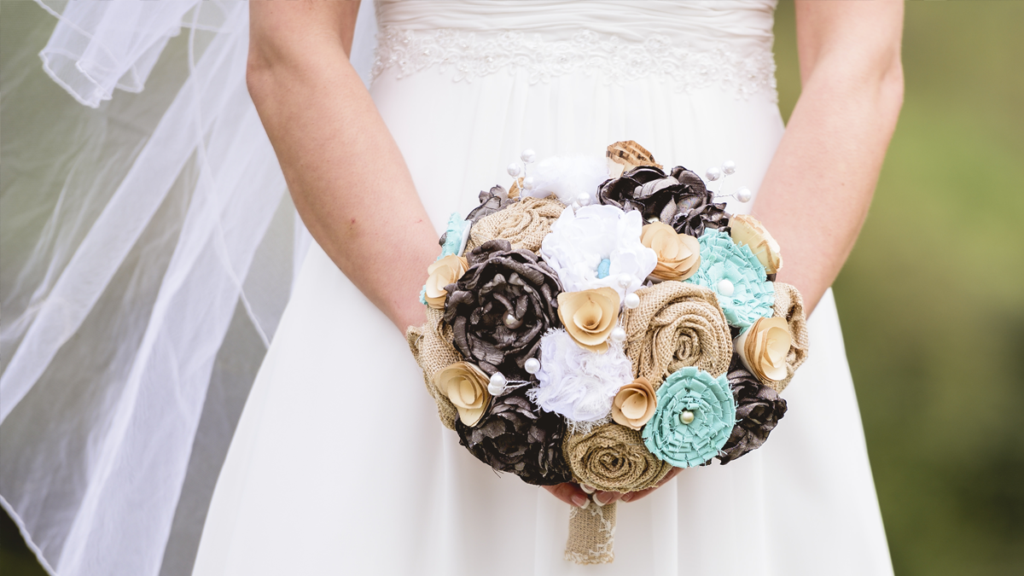
Uncle John has to go to a wedding all four weekends in June (he checked “steak” on two of the reception invites, and “salmon” on the other two, by the way), and he got to thinking: What’s the deal with all of those traditions and rituals associated with weddings, brides, and ceremonies?
Bridal Veil
According to western European lore, brides traditionally have worn veils for changing reasons. Hundreds of years ago, it was to protect the woman from the “evil eye” or mischievous spirits, conceal her identity from witches, and even to protect the groom and his relations from the bride’s late-developing evil psychic abilities. Really.
The kiss
Centuries ago, the marriage wasn’t considered real and true until it was consummated, and that required witnesses. So, several wedding guests would watch the new couple lay together as man and wife and then affirm it. Over time, as the concepts of privacy and boundaries developed, full-on congress was replaced with a kiss in front of the congregation.
Throwing rice and sharing a wedding cake
The best luck one could wish on a newlywed couple was that they’d immediately start to bear children. So, the wedding and its aftermath included some fertility rituals. Before rice became the grain of choice, guests threw grains of wheat at the bride (and the bride only), so she would give birth to children the way that wheat gave way to bread. Similarly, small and personal cakes were gifted to the bride in the hopes that they would also magically enable impregnation.
Get Uncle John's Know It All Bathroom Reader Today!
Vows
After the English monarchy broke away from the Roman Catholic Church in the 16th century, the Church of England was established and utilized the Book of Common Prayer for its services and practices. Included in the 1549 collection written by the Archbishop of Canterbury, Thomas Cranmer, are the basic and essential wedding vows heard at millions of weddings since. The parts about swearing devotion “for better or for worse, for richer or for poorer, in sickness and in health” are all right there.
Objections
Rarely does anyone actually jump up in the search or hall and shout “I object!” when the officiant calls out for anyone opposed to the union to “speak now or forever hold your peace.” That was also written into the wedding ceremony in the 1549 Book of Common Prayer, and it was part of English law. By announcing the marriage it was thus legally valid, after giving witnesses a chance to call it off on account of bigamy, spousal coercion or trickery, or if the bride and groom were found to be too closely related.
June weddings
It’s not just the most popular month for weddings because the weather is nice and so many people are on vacation. The idea began in ancient Roman as a way to honor Juno, queen of the pantheon of gods and namesake of the month of June. Also the goddess of women, Romans thought they’d win the powerful deity’s favor by getting married in her month.