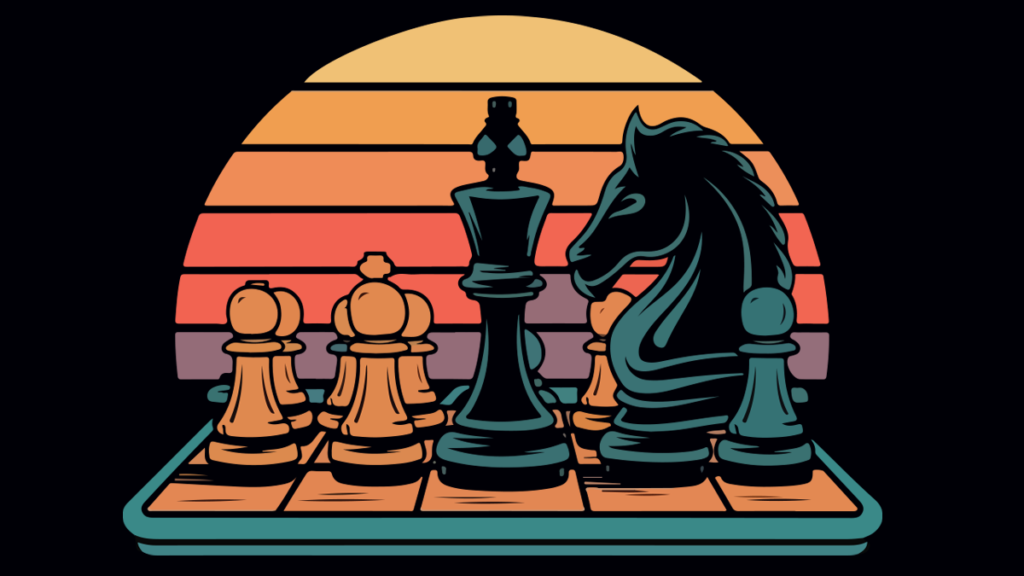
It’s just about the oldest and most popular board game out there, enjoyed all over the world by people of all ages. Here’s the checkered history and some very moving facts about chess, the “game of kings.”
• Historians think chess as we know it was first played in India in the 6th century C.E. Its inventor or inventors are lost to history, but the original pieces corresponded to different parts of the kind of army that would’ve been raised in 6th century India. There were counselors, cavalry, elephants, chariots, and infantry pieces, for example. When the game moved into Europe, the pieces were renamed and reshaped to be more familiar to Western players. Counselors, cavalry, elephants, chariots, and infantry became queens, knights, bishops, rooks, and pawns, respectively.
• An estimated 70% of all adults have played chess at least once in their lives, while about 650 million regularly get out the board and set it up for a match.
• The rules grew consistent and codified over time, with the last major stipulation decided upon about 750 years ago. In 1280, a chess group in Spain decided that pawns could start their movement on the board by moving up one or two spaces.
• Chess grandmasters are internationally certified and recognized geniuses of the game. The youngest on record: In 2021, American player Abhimanyu Mishra became a grandmaster at the age of 12 years and four months.
• 5,949 moves: That’s how many it would take the longest possible game of chess.
Get Uncle John's Know It All Bathroom Reader Today!
• A jeweler in the U.K. can make you the Jewel Royale set, with pieces made of gold and silver and covered in gems. Don’t lose a piece, though — replacements cost around $100,000 each.
• Chess in space: In June 1970, Soviet cosmonauts on the Soyuz 9 craft radioed in their moves in a game with ground control crew on Earth.
• Robot chess: In 1996, Carnegie Mellon University’s artificial intelligence program Deep Blue defeated grandmaster Garry Kasparov.
• The folding chessboard was invented by a rule-breaking priest. Forbidden by his order to play chess, he built a board so small that it could be folded in half to look like a small book.
• A chess match ends when one player’s king cannot avoid capture, and their opponent declares “checkmate.” That’s the English evolution of the Persian phrase shah mat, or “the kind is helpless.”
• Two moves: That’s the quickest way to reach checkmate and baffle your opponent. (There are eight ways to do it.)